Alumni with international horizons
Institutional records mention alumni who continued their studies in the United States, Taiwan, Japan, Mexico and Cuba, as well as Honduras.
An educational vision that began with a small group of women committed to La Ceiba and continues to grow, generation after generation.

On August 22, 1980, a group of visionary women committed to education brought their efforts together to serve the La Ceiba community through a bilingual educational project.
The founders included Judy Bush de Salazar, Aurora de Reyes, Norma de Francisco, María Elena Sosa de Mejía, Blanca Crichton, with Nora de Dip also taking part during the school's early beginnings.
Since then, Brassavola Bilingual School has sought to combine academic excellence with moral, civic and social values, helping students grow with respect for themselves, their families, their community and Honduras.
Brassavola began because women devoted time, work and leadership to building a bilingual educational option for La Ceiba.
Preserved records describe deep cleaning, roof and door repairs, window installation, water and telephone connections, moving books and furniture, and dividing spaces into classrooms. The work was completed in just over three weeks.
Preserved records help reconstruct not only dates, but also the educational philosophy, traditions and reach of earlier generations.
Institutional records mention alumni who continued their studies in the United States, Taiwan, Japan, Mexico and Cuba, as well as Honduras.
The archives mention fields including Medicine, Engineering, Business Management, Law, Psychology and Education.
Music, discipline, teamwork and civic participation are part of a student tradition documented across decades.
Historical accounts record participation and achievements in basketball, volleyball and football in bilingual-school activities.
These details are presented as historical heritage and should not be interpreted as current enrollment, staffing or outcome statistics.
A look at some of the moments that have shaped our educational community.
On August 22, 1980, a bilingual educational project begins in service to La Ceiba.
A group of visionary women joined efforts to provide bilingual, whole-person education. Historical records identify Judy Bush de Salazar, María Elena Sosa de Mejía, Blanca Crichton, Aurora de Reyes and Norma de Francisco; Nora de Dip was also part of the school’s early beginnings.
In August 1982 the school moved to facilities on Juan Laffite Avenue and began an intensive renovation process.
Preserved records describe a building that required cleaning, repairs, windows, running water, furniture and interior divisions to create classrooms. The renovation effort was completed in just over three weeks.
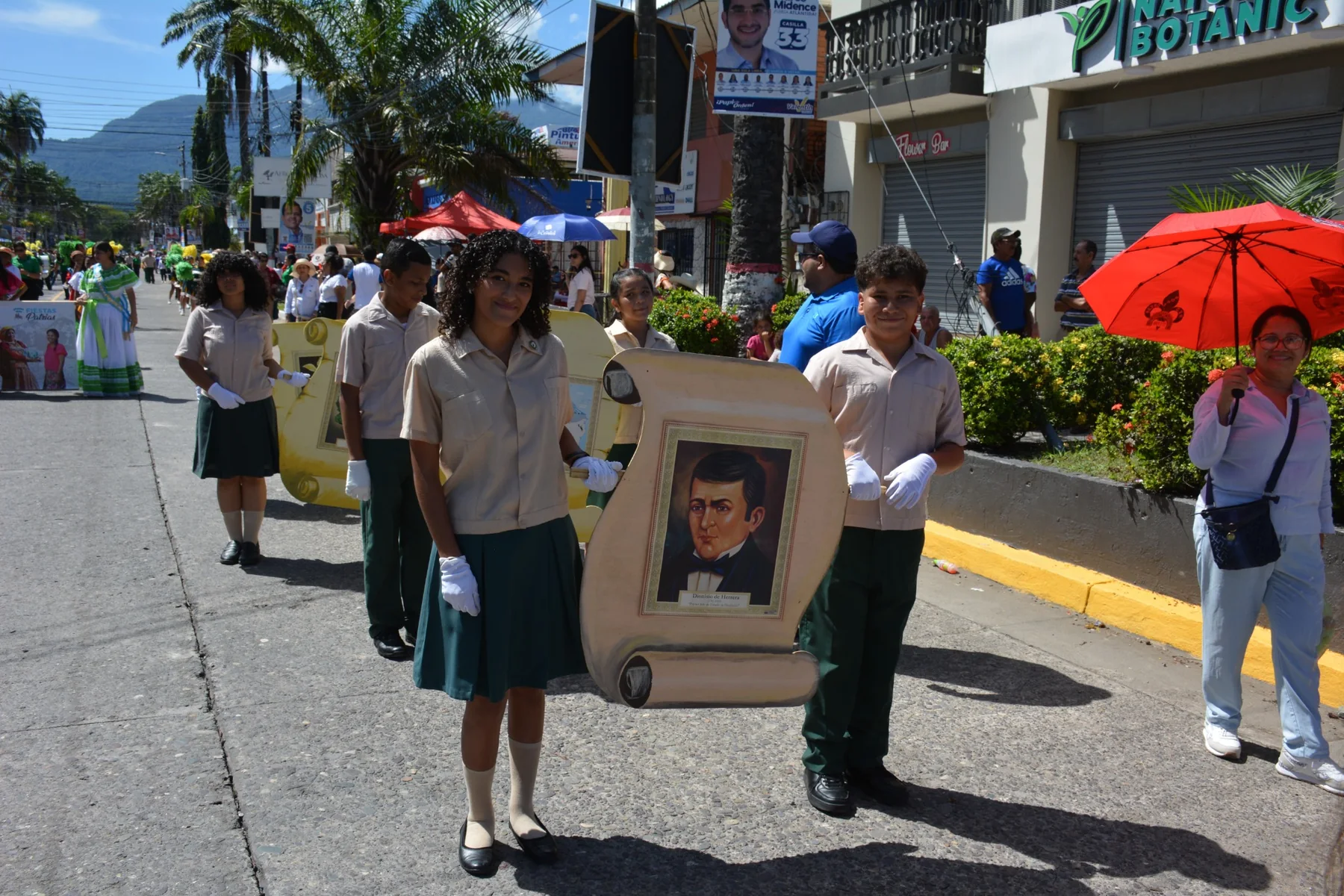
The Marching Band becomes a tradition of music, discipline and civic participation.
Historical records document the founding of the Marching Band in 1992 and its participation in celebrations and civic activities.
Records from the period document alumni who continued studies and careers in Honduras and abroad.
The archives mention universities in the United States, Taiwan, Japan, Mexico and Cuba, as well as professional fields such as Medicine, Engineering, Business Management, Law, Psychology and Education.
Since January 2014 the school has operated in more modern facilities.
The move represented a new chapter in institutional growth and the ongoing effort to provide suitable spaces for teaching and learning.
On August 22, 2026, Brassavola celebrates 46 years since its founding.
The legacy continues with a mission centered on bilingual education, academic preparation, values and opportunity for new generations.
Original historical reviews, programs and records that help preserve Brassavola’s institutional memory.


Original photographs from the early years of Brassavola Bilingual School.


This archive can continue growing from the CMS. Each photo can include a year, title, description and display order.